
Why does our marketing feel all over the place?
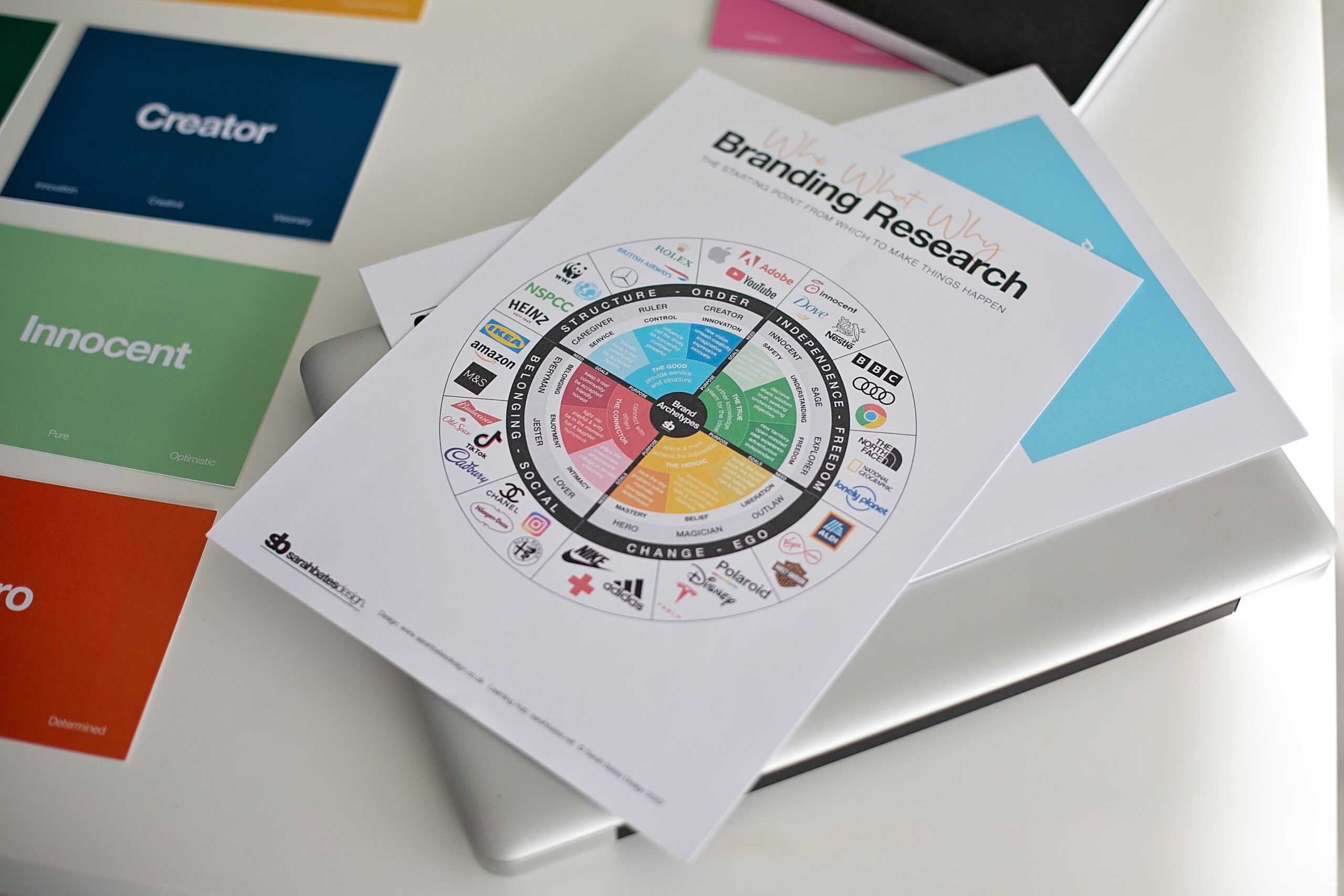
If you’ve ever looked at your website, your social feed and your last leaflet and wondered why none of it quite sounds like the same business, you’re not imagining it. This is one of the most common things I hear from business owners, and there’s a name for it.
It’s called RAMS
Random Acts of Marketing. It’s what happens when a business posts, updates and tries things, but none of it is pulling in the same direction. A social post here. A website tweak there. A leaflet because someone said you should have one.
None of these decisions are wrong on their own. The problem is that they were all made separately, at separate times, often by different people, with nothing tying them together. Nobody sat down and asked what any of it was actually meant to achieve.
Why does our marketing feel all over the place in the first place?
Usually because there was never a plan behind it, just a series of reasonable-sounding decisions made under time pressure. You needed a post, so you wrote one. You needed a website, so you built one. Each decision made sense in the moment. None of them were checked against each other.
The result is a business that’s busy but not building anything. Professional looking, in places, but inconsistent everywhere else.
The fix isn’t more marketing
The instinct when something isn’t working is usually to do more of it. Post more often. Try another platform. Send more emails.
But more activity without direction is still RAMS. Just louder, and more expensive.
The businesses that actually turn a corner do less, not more. Fewer channels, fewer messages, all pointing the same way. Before anything gets designed or written, the question worth asking is simple: what is this actually meant to do.
Ask but why before you ask what next
This is the question I ask before any other. Before a new website, before a new logo, before another round of social posts. Why does this need to exist, and what job is it doing for the business.
Get that answer sorted first and everything that follows gets easier to write, design and say out loud. Skip it, and you end up with more RAMS, just with a fresh coat of paint.
Where to start
If your marketing feels all over the place, the first step isn’t a rebrand or a new website. It’s working out what your marketing is actually meant to achieve, in one sentence you could say out loud to a stranger.
If you want a steer on where your own marketing sits, the free Marketing Health Check takes about three minutes and gives you a straight answer.
About the author
Sarah Bates is the founder of Sarah Bates Design, an outsourced brand and marketing partner for owner-led businesses across Yorkshire and beyond. She has over 30 years of experience in branding, design and marketing, has run her own consultancy for more than 21 years, and spent 20 years teaching design at foundation and degree level, including at Selby College, Leeds Arts University, Leeds College of Music, York College and Nottingham Trent University. Her starting question with every client is the same one this article is built around: but why.
FAQs
How do I know if my business is doing RAMS?
If your website, your social feed and your last piece of printed material don’t sound like they came from the same business, that’s usually the sign. It’s not about any one thing being wrong, it’s that nothing was planned to work together.
Do I need a full rebrand to fix this?
Not necessarily. Often the visual identity is fine, it’s the thinking behind it that’s missing. Fixing RAMS usually starts with a clear answer to what your marketing is for, not a new logo.
How long does it take to sort out?
Working out the goal and the message can happen in a single conversation. Making everything consistent after that takes longer, but it’s steady work, not an overnight fix.
Can I fix this myself without bringing someone in?
Yes, if you can get honest and specific about what you want your marketing to achieve, and hold every new post, page or leaflet against that one answer before it goes out. Most people find the hardest part isn’t the work, it’s stepping back far enough to see the pattern in the first place.
Leave a Reply